

|



Understanding Weight Gain — A Simple Overview
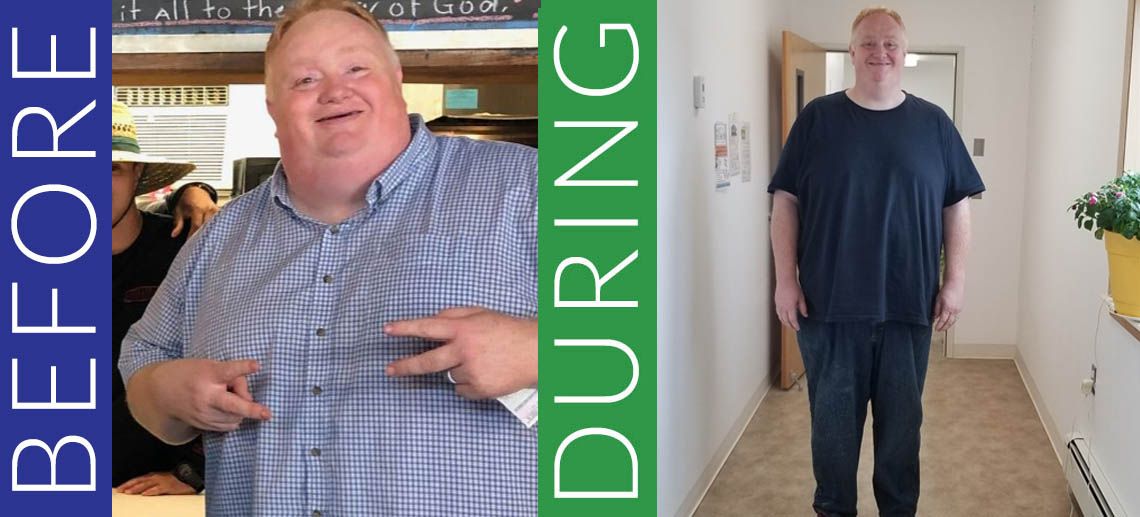
In many cases, there’s more to weight gain than just overeating. Obesity can result from underlying psychological issues that, if left untreated, can spiral to the point of seriously impacting quality of life. At over 500 pounds, Dennis R. was not able to enjoy life to the fullest. He isolated himself, despite having a supportive network and a job he is passionate about. Dennis shares his story of redemption, overcoming addiction and how his obesity was brought on by mental stress a lifetime in the making, in hopes of inspiring others. Dennis’s story is not an overnight success and his journey proves one’s discipline and persistence gives great results. Dennis’s family moved around a lot when he was a child. He was born in New Mexico, moved to Alaska as a toddler, and landed in Arkansas during high school. “I felt like a fish out of water,” describes Dennis. “Talk about culture shock, going from Alaska to the deep South. It was hard to make friends and I coped with that by eating an entire pizza daily after school. I gained over 100 pounds during my junior and senior year. My favorite sport was basketball, but the coaches said I was too heavy to play. I turned to football and played on the offensive line, earning a spot on my college team and eventually playing semi-pro ball.” Dennis traces his weight gain back to 1990. “The stress of moving from Alaska to Arkansas was really what kick-started the gaining for me, but I continued to make poor life choices in other areas as well as my diet. I eventually failed out of college, which only added to the emotional stress,” laments Dennis. “My weight was getting really out of control, so I tried diets like NutriSystem but as soon as I stopped them, the weight would come back and then some. I would lose up to 70 pounds and then gain it all right back.” Dennis was dealing with life-threatening medical conditions as his weight crept past 500 pounds. “I could hardly walk. I was constantly going to the hospital with swelling in my legs, chest pains, and cellulitis. I was taking multiple medications for diabetes and blood pressure,” Dennis says. “My coping mechanisms were consumption. I dealt with alcoholism and drug addiction by getting sober in 2006, but I never dealt with my food addiction and it was slowly killing me.” Dennis reached his breaking point in 2018. “I was sick and tired of being sick and tired. If I left the house, strangers would come up to me out of the blue and recommend weight loss surgery. It was embarrassing having to buy two seats on an airplane and buy size 7X shirts,” Dennis says. “I knew I needed surgery and as was the case with overcoming my addictions, I knew I had to be persistent and just do it. I looked at two bariatric practices in Alaska, and Anchorage Bariatrics really struck me as the place I needed to go. They have a great website and everything I read about them made me feel comfortable. I booked an appointment and was so glad I took that first step! The Anchorage Bariatrics staff are so friendly. Erika, Kristi and Tim are so supportive and understanding. Erika walked me through the whole process, the diet I would follow pre- and post-surgery, and answered all my questions. I love Anchorage Bariatrics. They feel like family.” In his first consultation with Anchorage Bariatrics, Dr. Clark told Dennis that he had to lose weight before surgery. A determined Dennis lost 43 pounds before his next appointment and Dr. Clark was impressed and approved surgery. Today, Dennis exercises daily. He walks during his lunch breaks and walks his dogs more, sometimes racking up six miles on a weekend. He says he thinks about his meal plan and makes sure he has everything he needs to prepare healthy meals. At only five months into his journey, Dennis has lost over 100 pounds; gone from a 56” elastic waistband to a 48; dropped three shirt sizes; doesn’t have to get a seatbelt extension on an airplane any more; and went canoeing for the first time since 1990! He is also weaning off his other medications and feels blessed not having to go to the ER all the time. “I used to isolate, I never wanted to go out of the house and be seen, I never wanted to talk to anyone, and I had very low self-esteem. Now, I go out to restaurants and go out in public and I don’t mind it. I have more energy now than I ever had,” shares Dennis. “The new stomach pouch created by my sleeve gastrectomy is a tool, not a cure all. I’ve learned that food is not everything. It used to be such a big deal for me, but now it isn’t all-consuming. I’m learning how to live and eat sensibly and it feels amazing,” Dennis says. “I’m grateful for all of the support from Anchorage Bariatrics, especially the psychological team, and I look forward to losing the next 100 pounds. You’ll hear from me again next year and you bet I’ll be at my goal weight. Nothing can stop me now!”

Since her Roux-en-Y gastric bypass procedure, Jennifer, an associate broker for a real estate company, has lost a total of 142 pounds. Jennifer shared, “While my childhood was average, during my teen and adult years, I yo-yoed over and over again with my weight. Diets worked initially, but I would hit a roadblock and once I would stall out for so long and didn’t see a difference, it was hard to stay motivated and I’d fall right back into the same issues.” Jennifer tried Weight Watchers and was successful for a while, but she could never prioritize working out.

Since her Roux-en-Y gastric bypass procedure, Jennifer, an associate broker for a real estate company, has lost a total of 142 pounds. Jennifer shared, “While my childhood was average, during my teen and adult years, I yo-yoed over and over again with my weight. Diets worked initially, but I would hit a roadblock and once I would stall out for so long and didn’t see a difference, it was hard to stay motivated and I’d fall right back into the same issues.” Jennifer tried Weight Watchers and was successful for a while, but she could never prioritize working out.
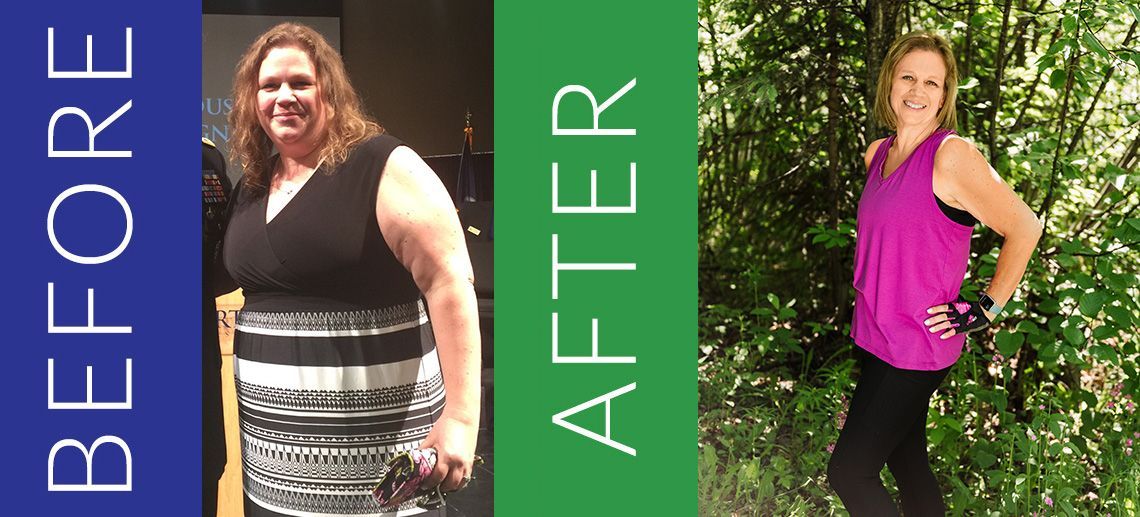
“Start by doing small things, make small changes. If you try to do everything at once, you’re just going to end up being a failure.” That is what Jenifer, a Criminal Justice Planner, wants to stress in her story. She also shared, “Holy moly! I’m jogging and I’m not dying!”

At Anchorage Bariatrics, we understand that hormonal shifts can dramatically impact your quality of life. As women age or experience major life changes, the natural decline in key hormones like estrogen and progesterone can lead to challenging symptoms. We are committed to an integrated approach to wellness, and this includes offering specialized hormone replacement therapy…
The post Reclaiming Balance: Understanding Hormone Replacement Therapy for Women appeared first on Anchorage Bariatrics.

At Anchorage Bariatrics, we recognize that bariatric surgery is just the first step. True, lasting success depends entirely on the lifestyle changes that follow. That is why our comprehensive program features dedicated dietitian services at its core. Our team provides the expert guidance and personalized nutrition plans necessary to safely navigate the pre- and post-operative…
The post The Crucial Role of Dietitian Services in Your Bariatric Journey appeared first on Anchorage Bariatrics.

Achieving sustainable weight loss is a deeply personal journey that requires a comprehensive strategy. At Anchorage Bariatrics, we recognize that a single solution rarely fits everyone. That is why we champion an integrated approach, thoughtfully combining advanced medical interventions with fundamental lifestyle changes. Our philosophy centers on treating the whole person, ensuring we address the…
The post The Modern Path to Wellness: Merging Medicated Strategies with a Holistic Weight Loss Exercise Plan appeared first on Anchorage Bariatrics.

The decision to pursue a healthier life through a surgical weight loss journey is a significant and brave step. At Anchorage Bariatrics, we understand that this is not a one-size-fits-all process. Our philosophy centers on matching each individual with the procedure that offers the best potential for long-term success. Understanding the different types of weight…
The post Choosing Your Path to Health: Understanding the Types of Weight Loss Surgery appeared first on Anchorage Bariatrics.
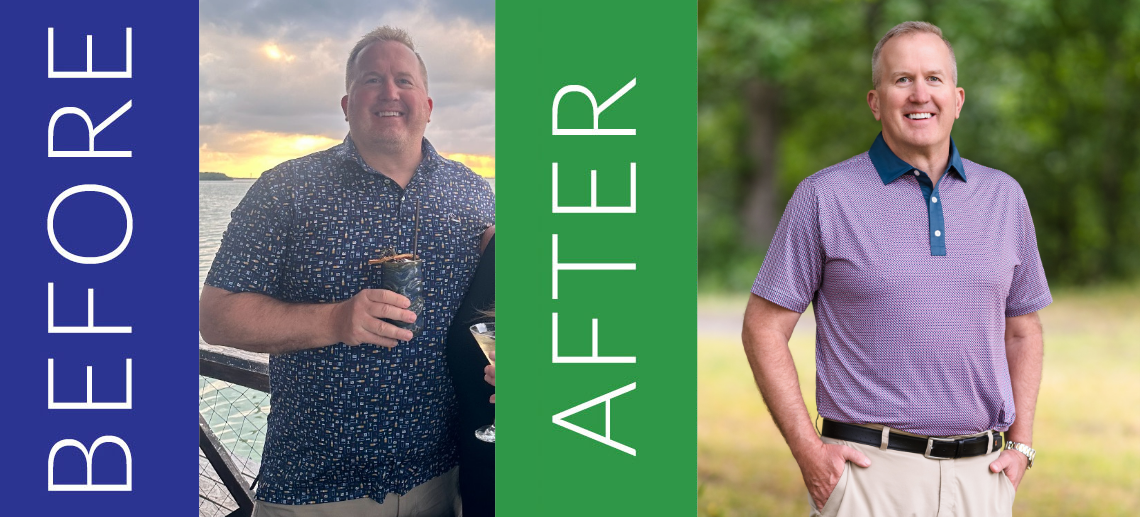
For years, Scott Stadler never thought much about his weight. Growing up, he was active in sports and had no issues staying fit. But once life shifted to parenthood, work, travel and endless business dinners, the pounds slowly crept on. Over the span of 20 years, Scott gained 70–80 pounds without fully realizing it until…
The post Success Stories: Scott S. appeared first on Anchorage Bariatrics.